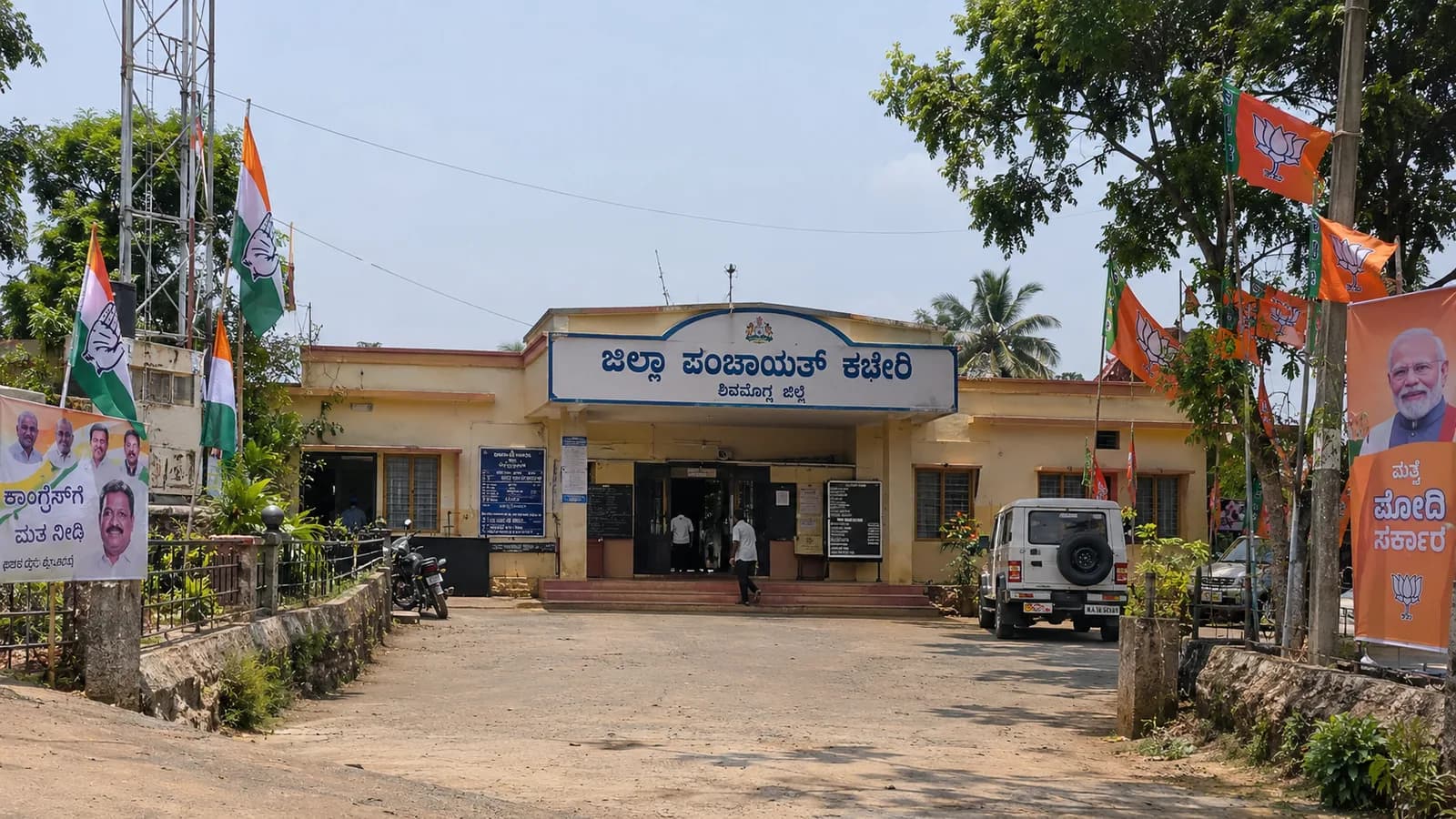
Karnataka Weighs Law on Hospitals Withholding Dead Bodies
The state government is considering a new law allowing criminal cases against private hospitals that withhold a patient's body over unpaid treatment bills. This update also covers kpme act, healthcare policy and patient rights.
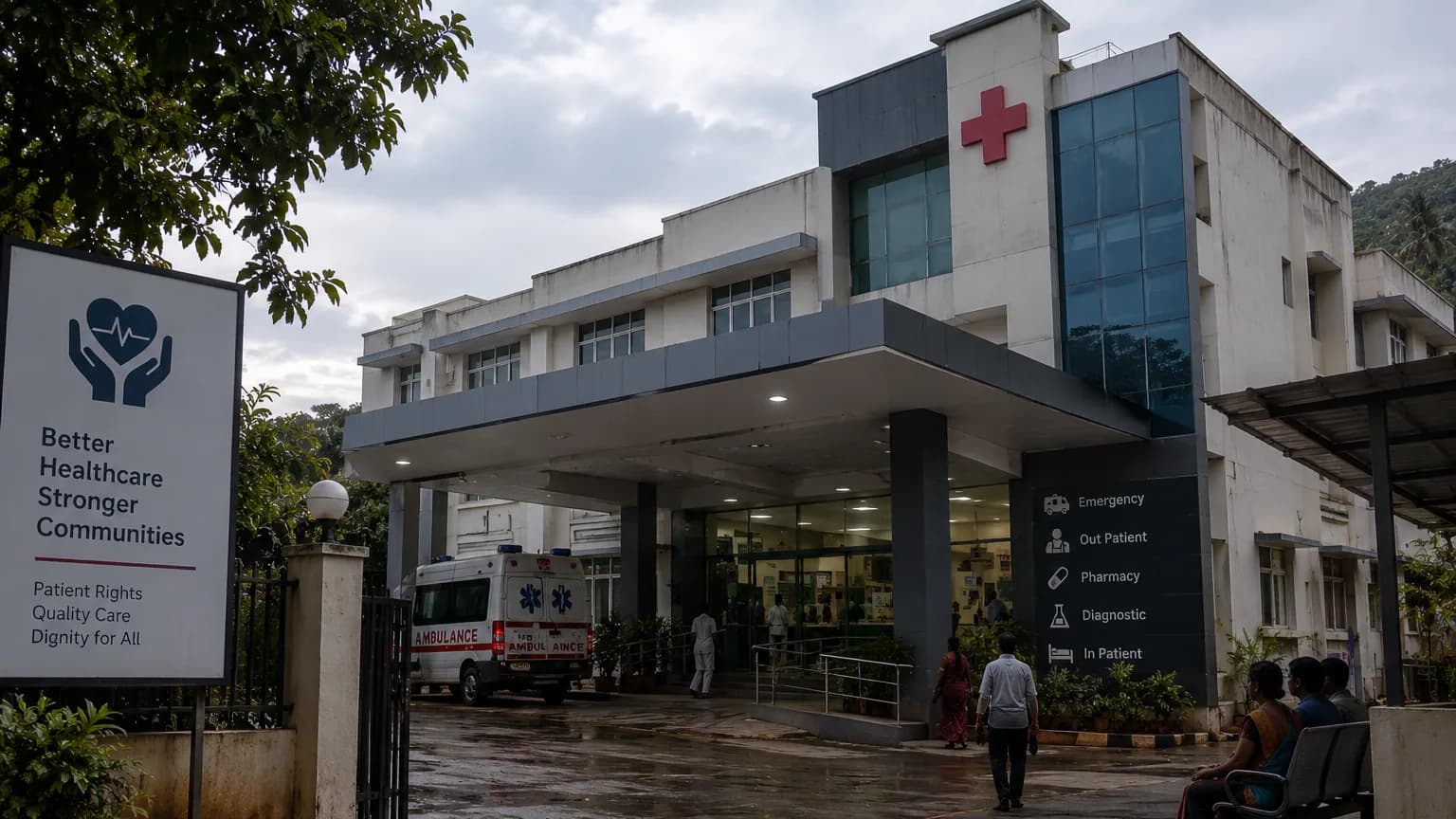
The Karnataka government is considering a new law that would allow criminal action against private hospitals that withhold a deceased patient's body from family members over unpaid medical bills.
The move is aimed at stopping a recurring complaint in which hospitals refuse to hand over bodies until outstanding treatment costs are cleared, adding financial and emotional distress to grieving families. If enacted, the law would make it possible to file criminal cases directly against hospitals found withholding or deliberately delaying handover of a body on these grounds.
Existing rules and the gap being addressed
Karnataka already has the Karnataka Private Medical Establishments Act (KPME) and related rules, but officials and families have reported continued difficulty in getting bodies released when bills remain unpaid. Under earlier provisions, hospitals were expected to hand over a body after the family furnished a surety or an assurance letter promising to clear dues later, with hospitals free to pursue legal recovery of the pending amount afterward.
In practice, many families say they end up borrowing money or exhausting savings to pay bills upfront rather than risk court visits and prolonged legal proceedings tied to the surety process. The government is now examining whether to strengthen enforcement of these existing rules or bring in amendments to close this gap.
Protecting families from added financial burden
Families who lose a patient during treatment are already dealing with emotional shock, and hospitals insisting on full payment before releasing the body compounds that distress. The government's stated goal is to find a lasting solution that places humanitarian considerations and family rights at the centre of body-handover procedures, rather than leaving it contingent on bill settlement.
Possible criminal action against violators
A key objective of the proposed law is to enable strict action, including criminal cases, against hospitals that refuse or deliberately delay handing over a body over unpaid bills. However, the exact legal provisions, nature of punishment, and implementation timeline will only become clear once the government makes an official announcement.
Consultation before a final policy
The government is expected to consult hospital associations, medical councils, and other experts before finalising a comprehensive, public-friendly policy intended to end the practice of holding bodies as leverage for bill recovery.
Overall, the government's intent to legislate on this issue marks a significant development for patient and family rights in private healthcare settings, but the complete shape of the law, including penalties and enforcement, will only be known once it is formally notified.
Source: Postman News Kannada
Share this article
Send it to friends or save for later
Share on WhatsApp, copy the link, or use your device share sheet.