Stock Market Crash Today: Sensex Falls Over 900 Points, Nifty Below 22,900 — Here's Why
Indian benchmark indices Sensex and Nifty tumbled sharply on 20 October 2026, wiping out investor wealth, with banking stocks and high oil prices among the key triggers cited by market reports. This update also covers share market crash and stock market today.
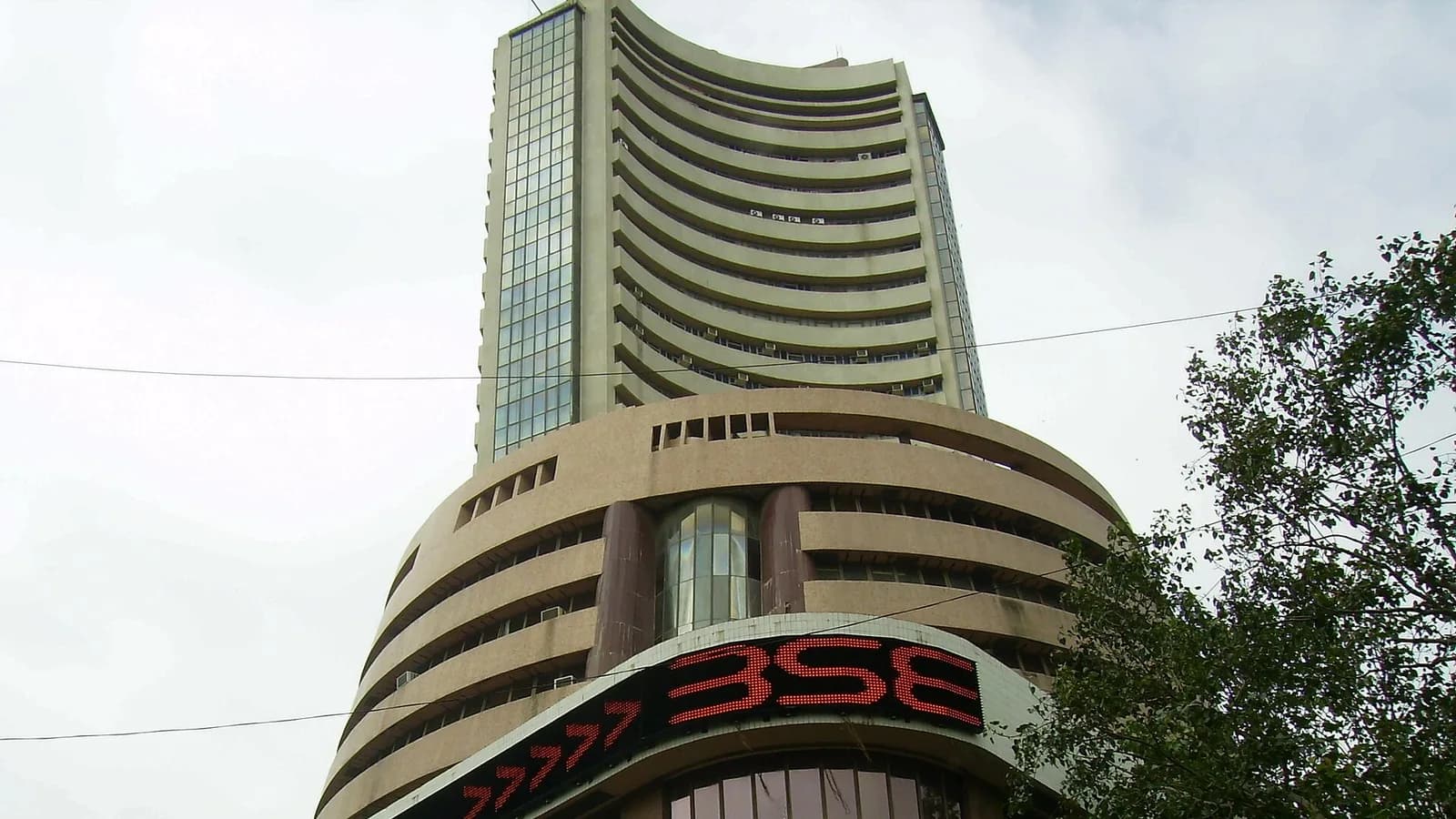
Indian stock markets saw a sharp sell-off on 20 October 2026, with both the Sensex and Nifty tanking in early trade. According to NDTV, investors lost close to Rs 5 lakh crore in market value as the two benchmark indices fell steeply during the session.
The Times of India reported that the Sensex plunged by more than 900 points, while the Nifty50 slipped below the 22,900 mark, triggering a wave of searches for "today share market open" as investors scrambled to understand the fall.
What is driving the fall
According to The Economic Times, banking stocks were among the worst hit, dragging the broader indices lower. The report also pointed to high oil prices as a second major factor pressuring Indian equities on the day.
NDTV's coverage listed three reasons behind the slide, though the exact details beyond banking weakness and oil prices were not spelt out in the available snippet. Readers should note that a full breakdown of all contributing factors is not yet confirmed and may emerge as the trading session progresses.
How much wealth was wiped out
The Rs 5 lakh crore figure cited by NDTV refers to the overall erosion in investor wealth, typically calculated from the fall in total market capitalisation of BSE-listed companies. This is one of the sharper single-day drops reported in recent sessions, based on the available coverage.
What investors are watching
- Banking sector stocks, which The Economic Times flagged as a key drag on the indices.
- Crude oil prices, which remain elevated and are adding cost pressure across sectors reliant on imported oil.
- Overall Nifty50 levels, now sitting below the psychologically important 22,900 mark per The Times of India.
Market watchers typically track global cues, crude oil movements, and sector-specific earnings during such volatile sessions. As of the reports available, no single dominant trigger beyond banking weakness and oil prices has been confirmed, and investors are advised to rely on official exchange data and verified financial news for real-time updates rather than assuming the fall is linked to any one event.
For retail investors, sharp single-day falls like this are often followed by volatility in subsequent sessions. Financial advisors generally recommend avoiding panic-selling decisions based on a single day's movement and instead reviewing portfolios against long-term goals. This article will be updated as more details on the reasons behind the crash become available through credible financial outlets.
Sources: NDTV, The Times of India, The Economic Times
Share this article
Send it to friends or save for later
Share on WhatsApp, copy the link, or use your device share sheet.
Continue reading

finance
Mukesh Ambani: Reliance Industries Q2 Profit Jumps 41%, Jio Revenue Crosses ₹40,000 Crore

finance
IndiGo CEO Says Fare Hikes Likely After Rs 1,879 Crore Quarterly Loss

finance
Fed Meeting Interest Rates: US Federal Reserve Holds Rates Steady Despite Inflation Worries
finance